

Never Prune These Plants in Early Spring
April 10, 2024
Boat Tours
August 5, 2024

Never Prune These Plants in Early Spring
April 10, 2024Boat Tours
August 5, 2024Never Prune These Plants in Early Spring
April 10, 2024Boat Tours
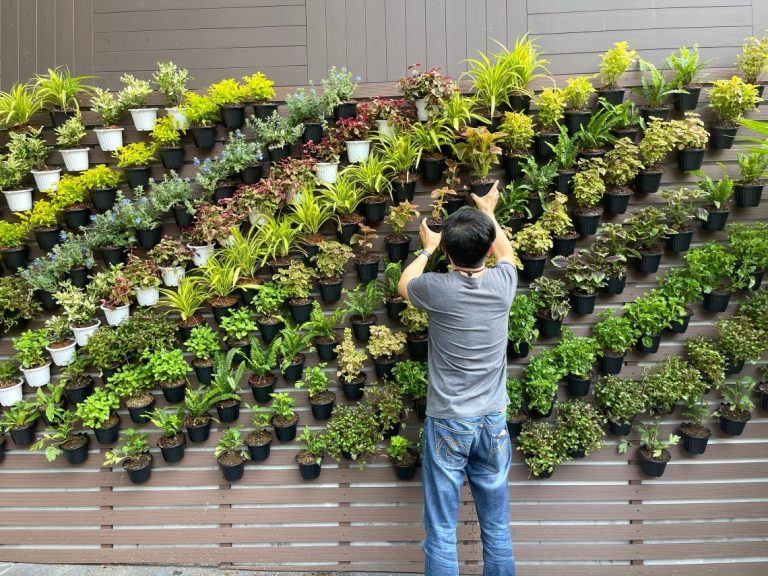
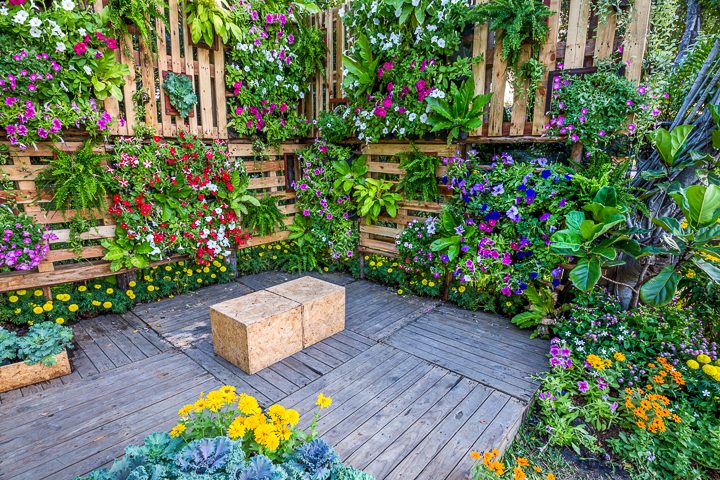
August 5, 2024In the concrete jungles of urban living, where space is often a premium, the concept of vertical gardens has blossomed into a refreshing trend that brings art and nature together. Vertical gardens, also known as living walls or green walls, transform spaces into vibrant green showpieces.
The allure of vertical gardens lies not only in their aesthetic appeal but also in their ability to improve air quality, reduce noise levels, and provide insulation. From small, DIY projects to large-scale installations, the art of vertical gardens offers endless possibilities for creativity and innovation.
Designing a vertical garden involves careful consideration of factors such as location, lighting, and irrigation. Plants are selected based on their ability to thrive vertically, considering factors like root depth and maintenance requirements.
There are several types of vertical gardens, ranging from simple trellises with climbing plants to complex hydroponic systems. Some popular types include:
Green Facades: These are created by attaching climbing plants or vines to a structure or trellis placed against a wall.
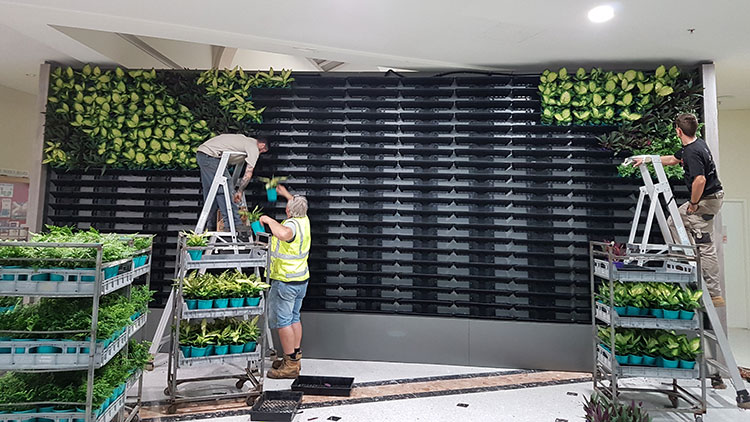
Living Walls: These consist of plants grown in vertical panels or modules that are attached to the wall or freestanding structures.
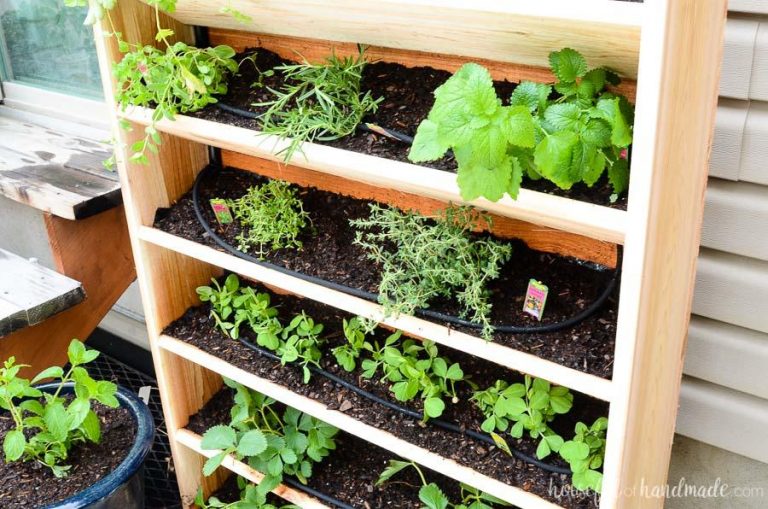
Pocket Gardens: These are small planters or pockets attached to a wall, filled with soil and plants.
Hydroponic Vertical Gardens: These use a soil-less growing medium and a nutrient solution to grow plants vertically, often in a more controlled environment.
Vertical gardens offer a range of benefits, including:
Creating a vertical garden can be a rewarding DIY project or a collaborative effort with professionals. Here are some general steps to create a basic vertical garden:
Choose a Location: Determine where you want to install your vertical garden. Consider factors such as sunlight, accessibility, and the structural integrity of the wall or support structure.
Select Plants: Choose plants that are suitable for vertical growing. Consider factors such as light requirements, water needs, and space constraints. Herbs, ferns, succulents, and some flowering plants are popular choices.
Prepare the Wall: If attaching the garden to a wall, ensure the surface is clean and stable. Install a waterproof barrier if necessary to protect the wall from moisture.
Install Support Structure: Depending on the type of vertical garden, install a support structure such as a trellis, frame, or modular panel system.
Planting: Plant the selected plants in the vertical garden structure, ensuring they have enough space to grow and thrive. Use a suitable growing medium and consider a watering system if needed.
Maintenance: Regularly water, fertilize, and prune your vertical garden to keep it healthy and vibrant. Monitor for pests and diseases, and take necessary action to address any issues.
Want more info? Check out this in-depth guide on how to create a vertical garden.
The choice between a vegetable vertical garden and one featuring tropical plants or flowers depends on several factors, including space, climate, and personal preference.
Proper maintenance is essential for the health and longevity of vertical gardens. This includes regular watering, fertilizing, pruning, and monitoring for pests and diseases. The specific care requirements will vary depending on the types of plants and the system used.
In the art of vertical gardens, nature’s beauty meets human creativity, offering a sustainable and aesthetically pleasing solution to urban greening. These living walls transcend mere decoration, serving as a testament to our ingenuity in harmonizing with the natural world. Whether adorning the walls of skyscrapers, enhancing the ambiance of restaurants, or transforming residential balconies into lush sanctuaries, vertical gardens have captured our imagination and reshaped our urban landscapes.
As we strive to create more sustainable and livable cities, the importance of vertical gardens cannot be overstated. Beyond their visual appeal, these green installations contribute significantly to environmental health by improving air quality, reducing energy consumption, and providing habitat for wildlife. They also offer a sense of connection to nature in urban environments, where green spaces are often limited.
Is vertical gardening not your thing? Check out our great article on prepping a regular garden for spring!
Looking for a home with space for a vertical garden? Give us a call, we’d love to give you a tour!